Log in


When the news broke of the Bite of Seattle shooting, I was standing in the parking lot of the Beacon Hill Red Apple in shock and horror as I thought of all the families whom I saw enjoying their lives two hours earlier. I was heartbroken to imagine how all of that was shattered. Later, I was saddened further to learn that the shooter was a 15-year-old child and that a 19-year-old kid’s life was shattered; the latter will not go home.
Two others, aged 44 and 56, also would not go home to their families and numerous others were injured and traumatized. The youngest among them was a two-year-old baby.
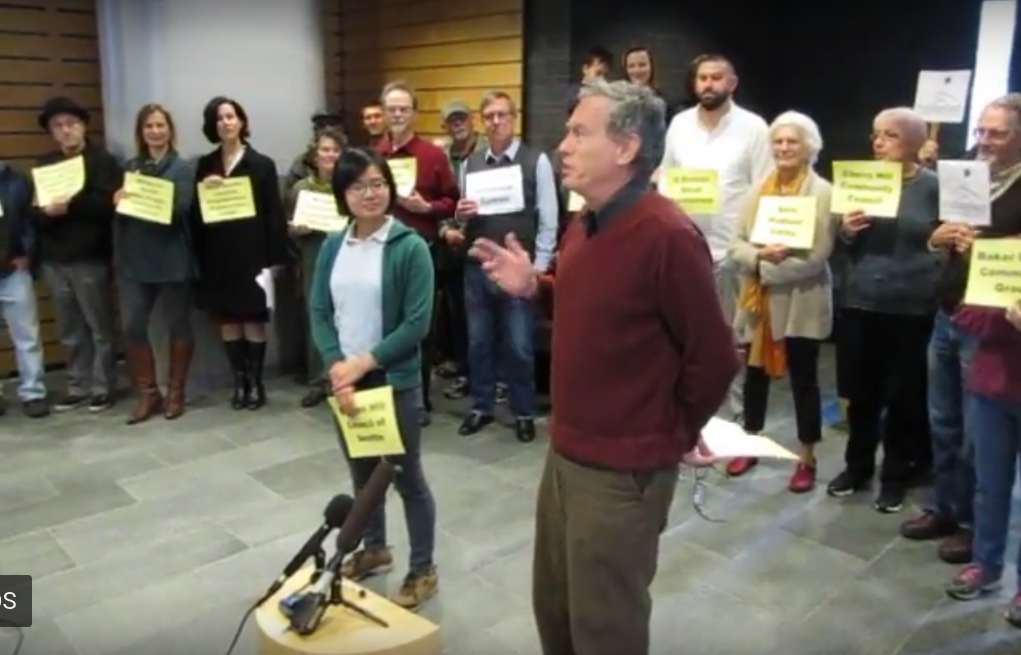
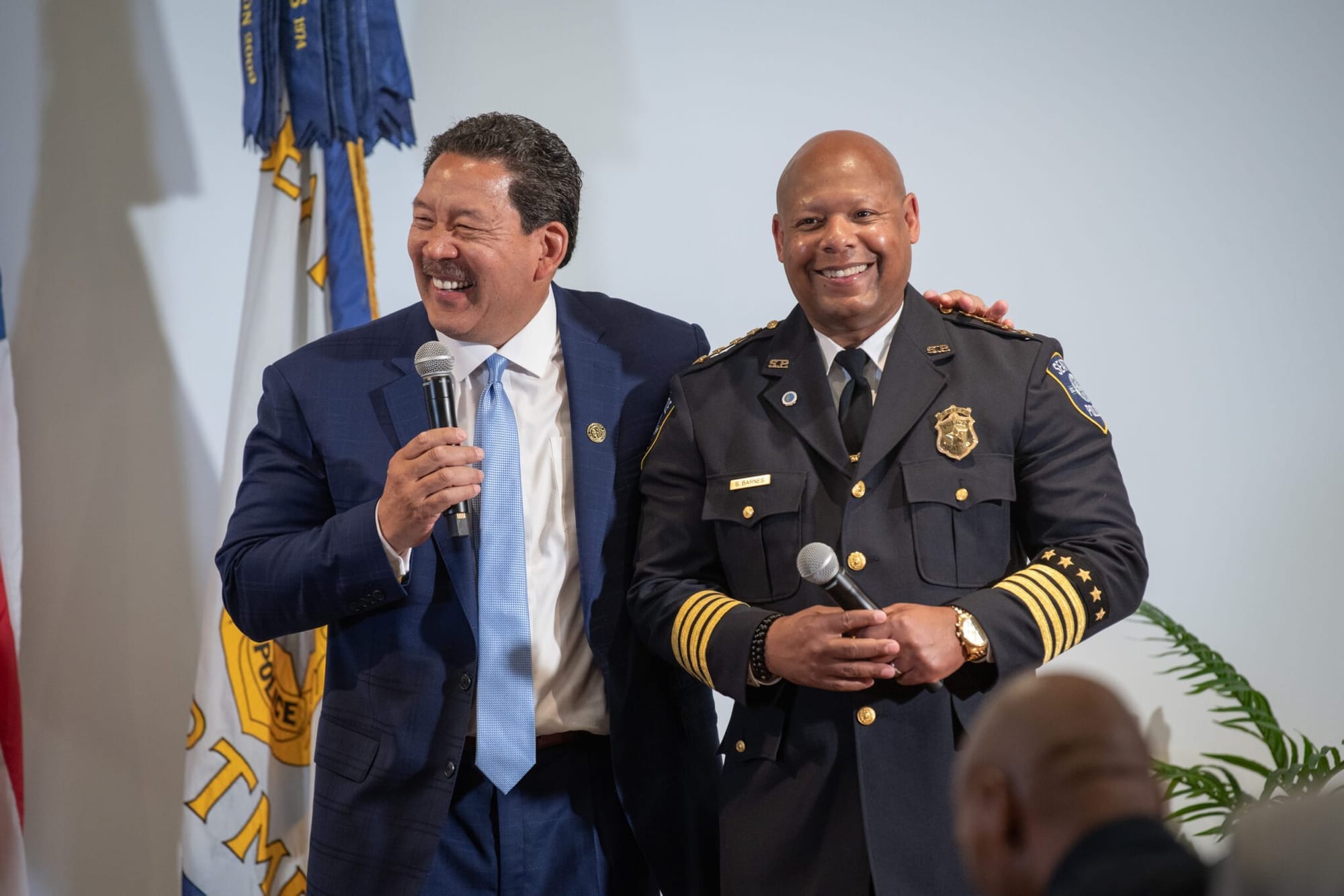
In a video shared on Instagram, author and South Seattle Emerald publisher Marcus Harrison Green posed a moral challenge to this narrative: “What are we doing people?” On Thursday, when rumors were swirling that Police Chief Shon Barnes had been fired, Black civic and religious leaders held a press conference to denounce Mayor Wilson’s decision, and instead of feeling pride, I felt disgust, as I confided in several friends and fellow activists.
I felt disgust on multiple levels: 1) I was wondering why we weren’t focusing on the victims or what we need to heal the community; 2) listening as a Black man who is deeply concerned about advancing police accountability, seeing some people I respect seemingly run political cover for a police officer who has committed himself to a homophobic, transphobic, reactionary, and sexist status quo.
Harrison Green’s eloquent outrage at our current discourse’s focus on blame and not being about healing was brilliant, and I’m not going to retread that territory. My point is that the Seattle Times and other media outlets that are framing this cover for a status quo cop as representative of the needs of the Black community have it wrong.
During the press conference and seemingly righteous display of local Black political power that was done in the rest of the Black community’s name, several of the leaders expressed solidarity with outgoing Chief Barnes because “he had shown up.” As prominent figures in nonprofit, corporate, and religious spaces, they expressed the ability to access his office and feel heard.
They cited the local impact of the national decline in crime and violence and framed Barnes as a change agent and reform leader. The decrease in crime nationally, including in Seattle, is due to several factors that are not quite clear to experts. NPR’s reporting this July, which heavily featured Seattle, noted that while crime has decreased, violence remains an issue, quoting Gary Ernsdorff, the supervisor of the Special Operations Unit in the King County Prosecutor's Office: “[King County] still has gang violence. We're still having drive-by shootings. We're still having armed robberies."
Likewise, local sources cite the unevenness of the progress made in each neighborhood. Nonetheless, the Black Lives Matter movement and Racial Justice advocates didn’t march and organize because crime was out of control in our communities. We organized and marched because the Seattle Police Department (SPD) has been notorious for racist, discriminatory, and violent behavior and a culture that is antithetical to our values of social justice.
During Chief Barnes’ tenure, the Office of Police Accountability received 60 complaints about his travel schedule, unprofessional behavior. Recently, two more complaints were opened after a testy exchange with a South Seattle Emerald reporter, according to King 5. Likewise, Publicola has documented the lack of progress on SPD’s goal of having a 30% female recruit class by 2030 that the agency had only managed to hire five women, a decrease from previous years, as well as ongoing homophobia and discrimination lawsuits.
Within Barnes administration, officers were hostile to the Black Lives Matter movement – a movement led by an intergenerational coalition of Black activists and religious leaders that I participated in, and which even included many who were at Thursday’s press conference. As Erica C. Barnett notes, “[Chief] Barnes also passed over a gay lieutenant [for promotion] who was a fixture in the Capitol Hill community and had been serving as acting captain of the East Precinct, Doug Raguso, in favor of an infamous officer named Mike Tietjen."
Tietjen’s name was synonymous with his misconduct during the 2020 Black Lives Matter protests in the neighborhood, when he drove his SUV onto a sidewalk full of protesters, likening them to “cockroaches” as they ran out of his path. Tietjen was also disciplined for an incident that same year, in which he was among a group of officers who harassed a trans woman, asking if she “had a dick under” her skirt.”
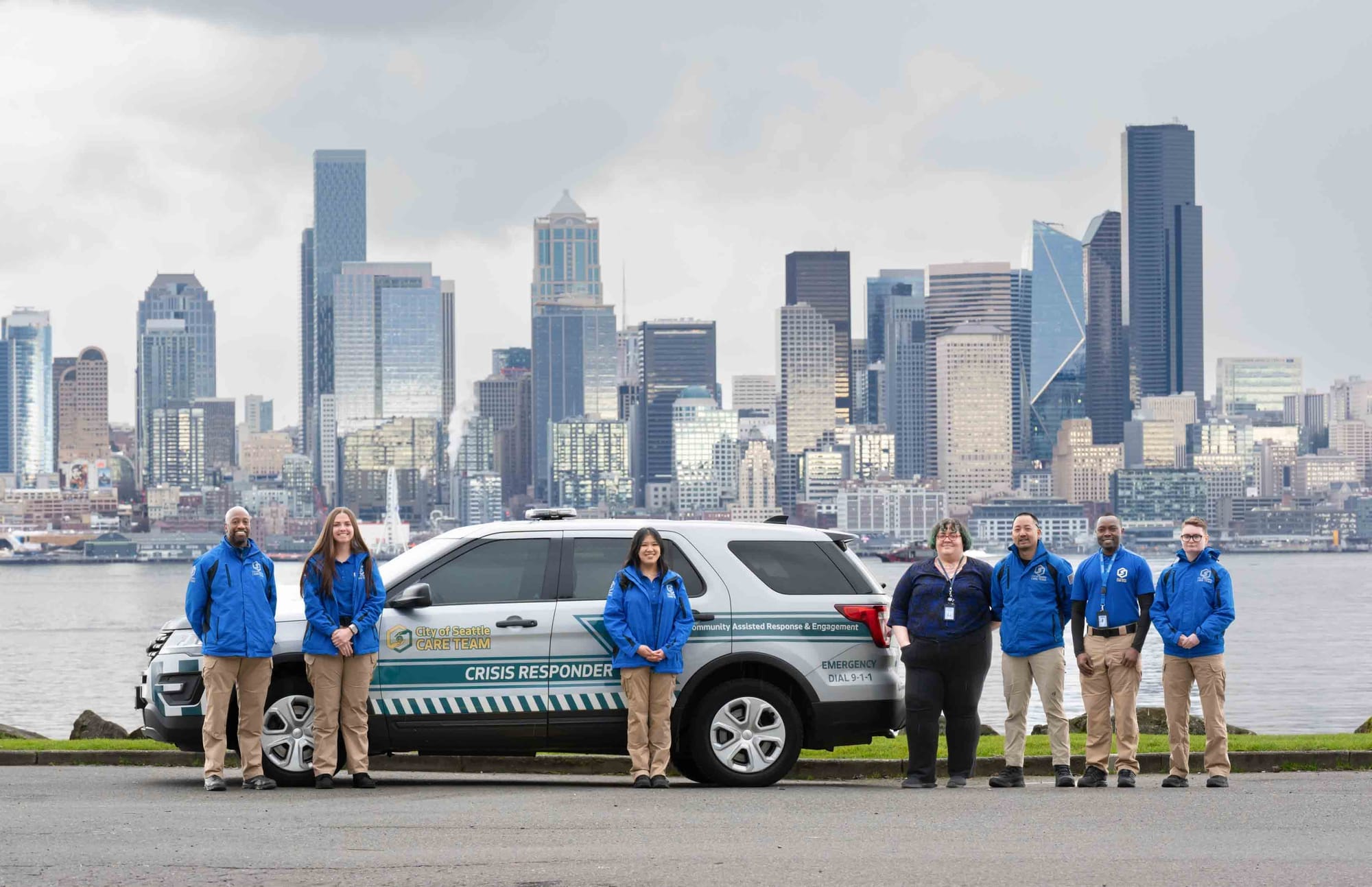
In addition to Barnes’ record of discriminatory behavior, Barnes was a part of SPD’s infamous undermining of the CARE team and its ability to execute its mission to provide civilianized behavioral crisis intervention, as an alternative to always dispatching an armed officer. This is one of the major demands of police reformers locally and the Black Lives Matter movement nationally.
So what’s going on? What are we doing here? To say it plain: this ain’t it. This is either a well-meaning but shortsighted protest or disturbingly cynical and toxic re-litigation of the 2025 election that is sidelining the political conversation that we need to have about real change with SPD!
Seattle’s Black community is a small portion of the overall population and it's very diverse, made up of a number of different diasporas of transplants and immigrants, as noted by Harrison Green in his piece during the 2025 election. The accusation and insinuation that Mayor Wilson’s is anti-Black or tone deaf to the Black community go back to an unsuccessful reelection strategy by Bruce Harrell. Many of those at the press conference were openly Bruce Harrell supporters and/or individual donors.
Due to gentrification, our small community has many faces and is more spread out than ever. Seattle’s Black community is fundamentally different than it was in the 1990s or the 2000s. My point is not to disregard and disrespect many of leaders who were present and who have done meaningful work and who have been a pillar of the community long before now; the point is that the idea that defending a police chief who didn’t live here full time and didn’t advance any of the programs, demands or cultural change that many of us have been advocating for isn’t healthy for our community as a whole.
Seattle has a nasty history of having a Black face in a White space of power and considering that enough to move the needle. This trend is true in many American cities. We need to do better.
The next Chief has to be comfortable with the uncomfortable reality that we will not trust them because of a history of discrimination and pain; and be comfortable embracing a truly community driven public safety policy that doesn’t prioritize surveillance but, instead prioritizes healing, prevention, and de-escalation. Moreover, they need to be brave enough to break with the Seattle Police Officers Guild (SPOG), one of the biggest obstacles to progress on public safety in the city.
SPOG appeared to be the driving force behind Chief Barnes slow walking of CARE department expansion, which included him refusing to even meet one on one with CARE Chief Amy Barden for more than a year. The next police chief must do better and be a true partner, rather than a major obstacle to civilian response that virtually all Seattle leaders are united in at least saying they support.
The next police chief must realize that concrete systemic change at SPD is necessary. That must mean change which lifts all of our voices, not just a select few within or in proximity to power. The thing we are missing is not symbolic victories; it’s tangible, structural change to deliver better outcomes for Seattleites, especially the Black communities that are used to be forgotten or treated as pawns.
Clifford Cawthon is a community activist, public employee, and podcast host of "The Unmasked Agenda" on Rainier Avenue Radio. Cliff has called Seattle and King County home for 12 years and in that time he has worked with local labor and progressive organizations to campaign to raise the minimum wage, renew the Seattle Housing Levy, expand mass transit, and pass the Covenant Homeownership Program. He was previously the Housing Chair for the Seattle-King County NAACP and on the Board of Black Lives Matter Seattle-King County, and currently sits on the board of the MLK Working Families Party, advises the Rainier Beach Action Coalition, and is a Democratic Socialist of America member.